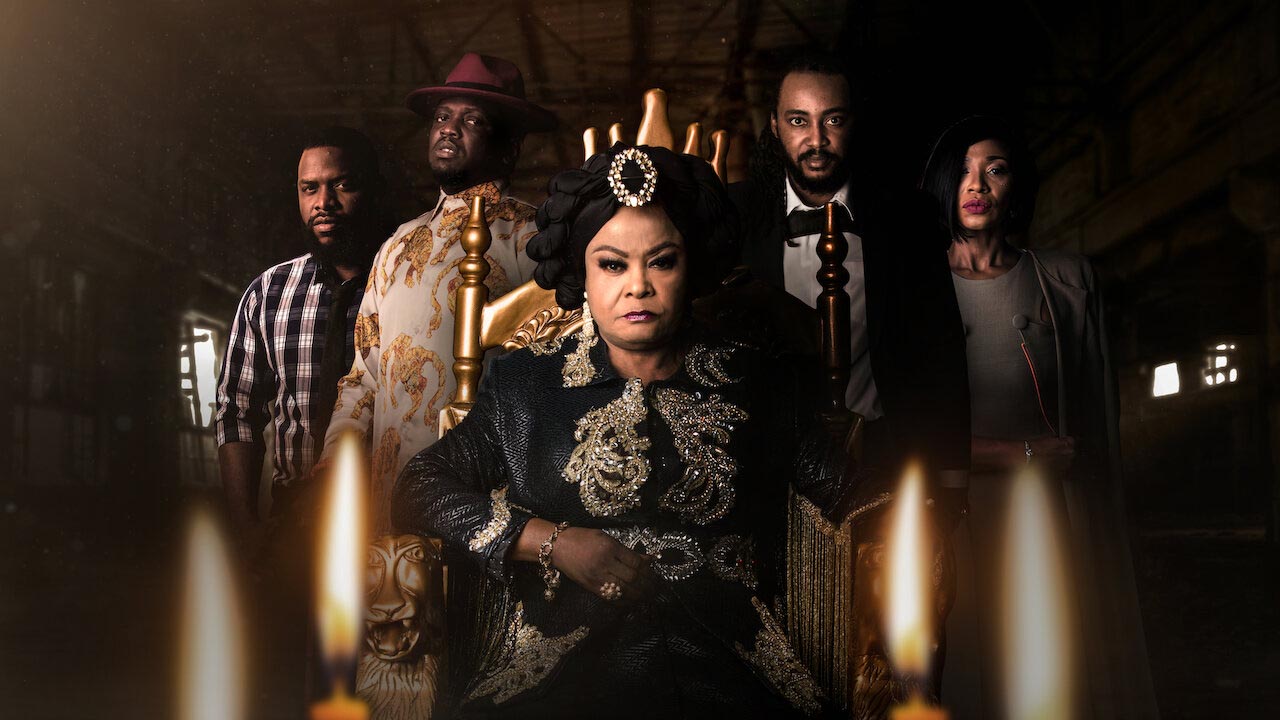
King of Boys (Nigeria)
A highly-rated crime thriller focusing on a businesswoman and crime boss. This political thriller masterpiece by Kemi Adetiba features powerful storytelling, unforgettable characters, and intense drama, which won multiple awards at the African Movie Academy Awards (AMAA).
It’s a must-watch for anyone who enjoys crime, power struggles, and excellent acting—especially by Sola Sobowale.
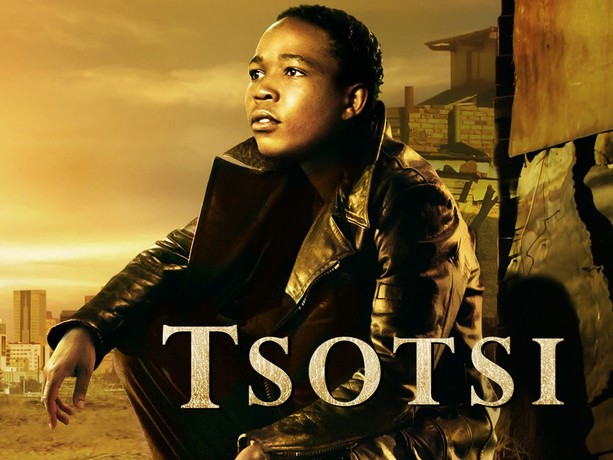
Tsotsi (South Africa)
A South African classic and Oscar-winning film, Tsotsi tells the emotional story of a young gangster whose life is transformed after a tragic mistake. This movie tells the story of a young gang leader in a Johannesburg slum (township) whose life changes after a carjacking.
The movie is deeply touching and remains one of Africa’s most inspiring cinematic pieces.
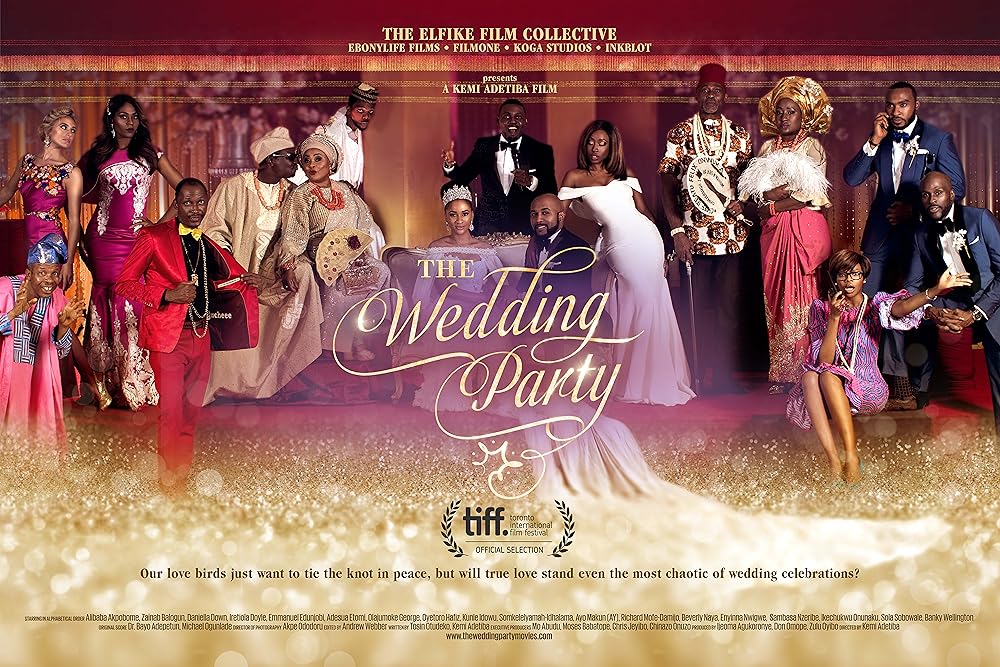
The Wedding Party (Nigeria)
The film follows the wedding day of Dunni Coker, a 24-year-old art gallery owner, and Dozie Onwuka, an IT entrepreneur. This blockbuster romantic comedy remains one of Nigeria’s biggest hits. It combines humor, chaos, love, and vibrant Yoruba culture in a way that keeps audiences glued from start to finish. It’s the perfect introduction to Nollywood’s fun, family-style storytelling.
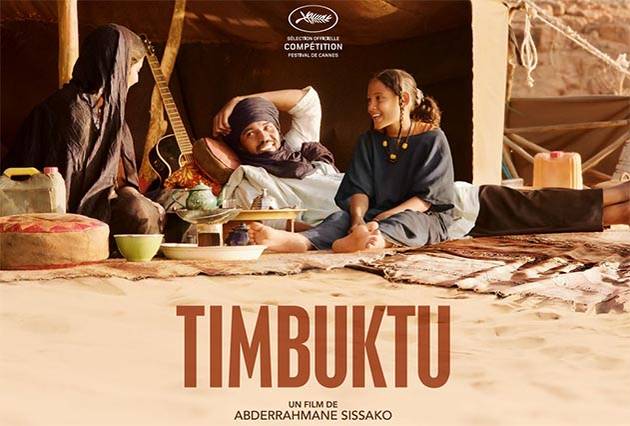
Timbuktu (Mali)
Timbuktu is a powerful and critically praised drama that centers on the brief 2012 occupation of the city by the Ansar Dine, an Islamic fundamentalist group linked to Al-Qaeda. The film offers a nuanced look at the impact of Sharia law on the local population, depicting the human stories amidst the political turmoil and the resulting clashes with traditional Malian society. A visually stunning film that explores the effects of extremism on a peaceful village. It’s poetic, emotional, and an eye-opener for anyone who wants to understand life in different African regions.
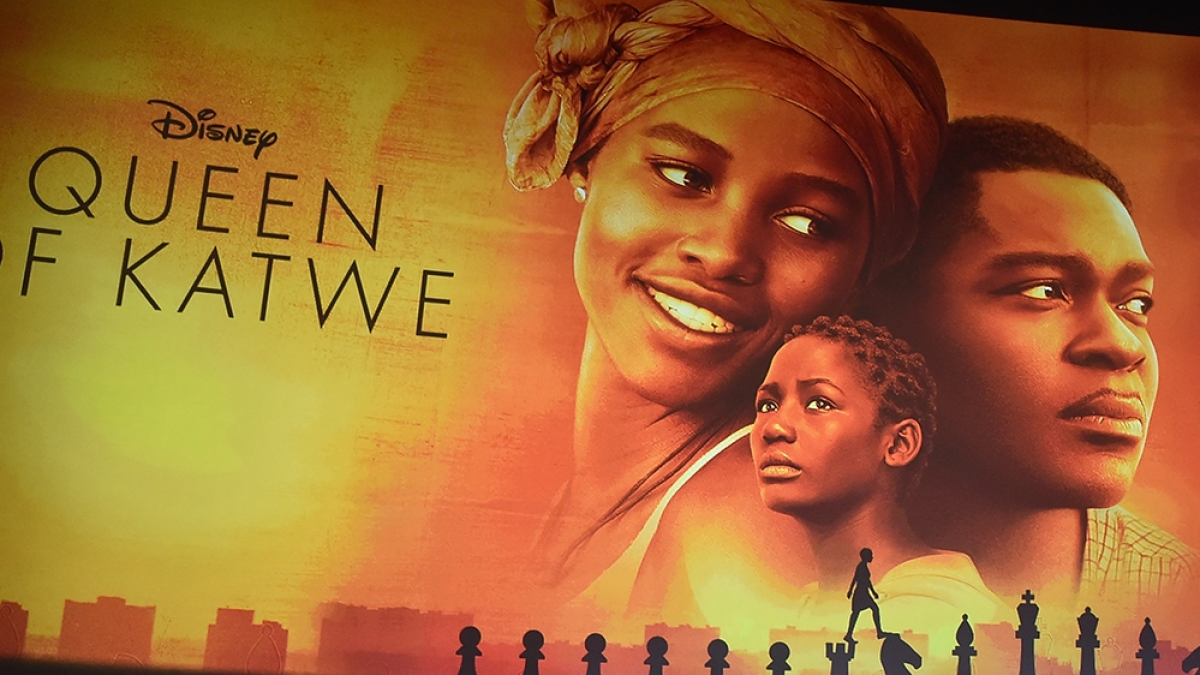
Queen of Katwe (Uganda)
This uplifting film follows Phiona Mutesi, a Ugandan girl who rises from poverty to become a chess champion. It’s motivational, family-friendly, and full of African pride. Phiona Mutesi’s life changed after she joined a chess program run by missionary Robert Katende in 2004. Though she couldn’t read or write at the time, her natural aptitude for the game was quickly recognized. Through dedication and mentorship, she overcame significant obstacles, eventually becoming the first female winner of the Ugandan junior chess championships and achieving the Woman Candidate Master title by the World Chess Federation by age 17.
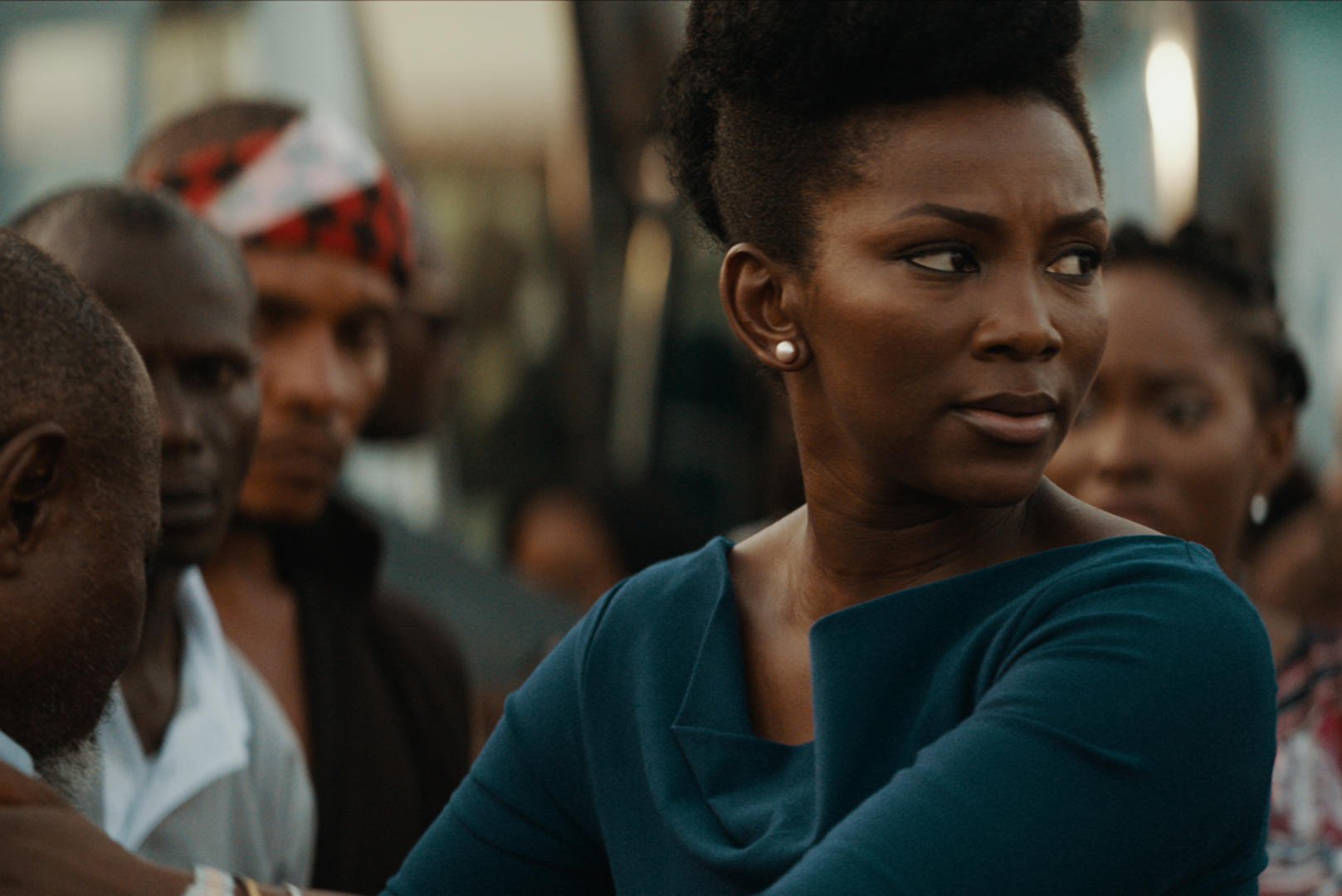
Lionheart (Nigeria)
Lionheart was directed by Genevieve Nnaji. Lionheart showcases Nigerian business culture, family values, and the challenges of running a company in a male-dominated industry.
It’s simple, elegant, and beautifully shot. It is a significant 2018 Nigerian drama film directed by and starring Genevieve Nnaji, which holds the distinction of being the first Netflix original film produced in Nigeria. The film was produced by The Entertainment Network (T.E.N.).
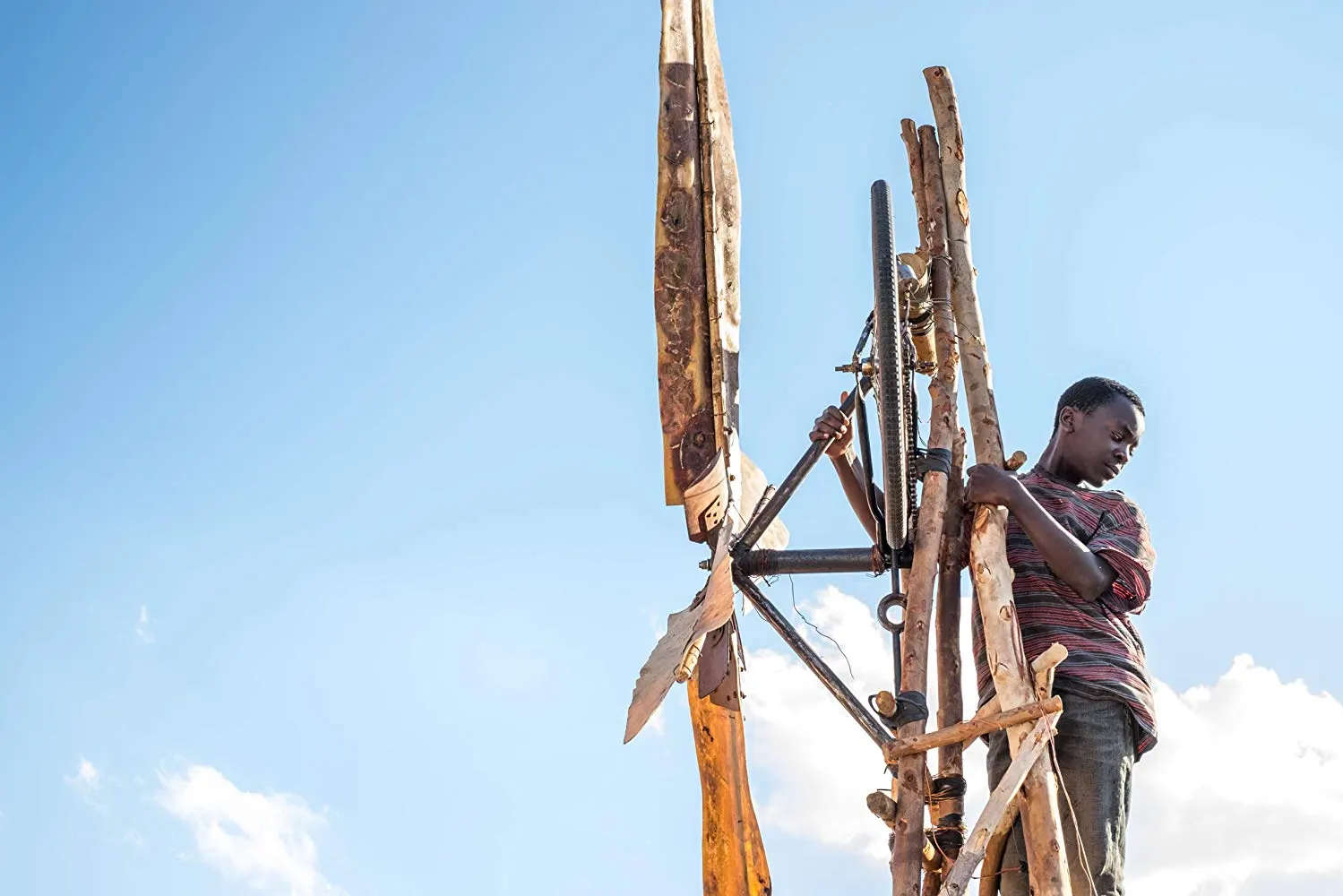
The Boy Who Harnessed the Wind (Malawi/UK)
Based on a true story, this film follows a Malawian boy who builds a windmill to save his village from hunger. It’s an inspiring African story that highlights creativity, struggle, and hope. The Boy Who Harnessed the Wind is the inspiring true story of William Kamkwamba, a Malawian inventor and author who, as a teenager, built a functional windmill from scrap materials to bring electricity and water to his family’s home and village during a severe famine.
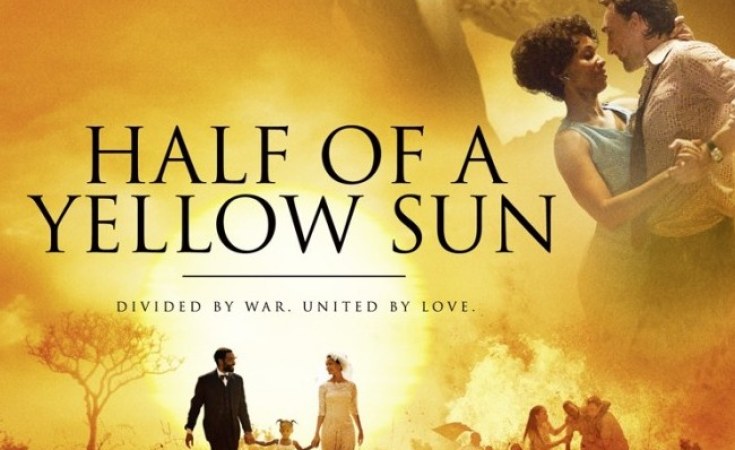
Half of a Yellow Sun (Nigeria)
Based on Chimamanda Ngozi Adichie’s novel, this movie gives a deep look into Nigeria’s history during the Biafran War. It combines love, tragedy, and culture while exploring important themes about identity and survival. Half of a Yellow Sun is an acclaimed 2006 novel by Nigerian author Chimamanda Ngozi Adichie that masterfully narrates the story of the Nigerian Civil War (1967–1970) through the intertwined lives of a small group of characters. The title refers to the image on the flag of the short-lived secessionist state of Biafra, which the novel’s characters fight to establish as an independent republic.
Rafiki (Kenya)
A colorful, emotional drama from Kenya, Rafiki tells a bold story about love and societal expectations. It gained global recognition for its courage, message, and artistic style. In Kenya, “Rafiki” (Swahili for ‘friend’) is a common word and the title of a significant 2018 film. It is also the name used by an international charitable organization operating in the country.
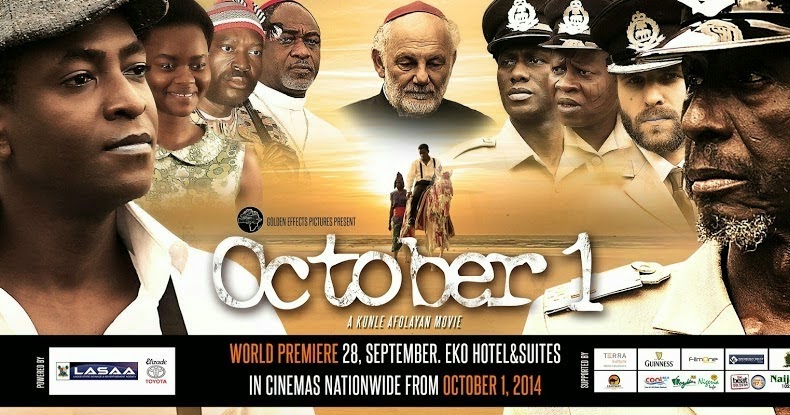
October 1 (Nigeria)
This period thriller by Kunle Afolayan blends crime, suspense, and colonial-era events in pre-independence Nigeria. The story follows Danladi Waziri (played by Sadiq Daba), a police officer from Northern Nigeria who is sent by the British colonial government to the fictional remote town of Akote in Western Nigeria. His mission is to investigate a series of mysterious murders and rapes of young women in the community and solve the case before the Nigerian flag is raised on Independence Day. The colonial authorities want a peaceful transition of power without the scandal of an unsolved serial killer case.
Conclusion
African cinema continues to rise, delivering stories that reflect our struggles, victories, culture, and identity. These top movies have touched millions across the world and remain evergreen recommendations for anyone who wants to experience the beauty of African storytelling. Whether you love drama, comedy, romance, or historical films, these movies will give you a better understanding of Africa’s rich creativity and diversity.