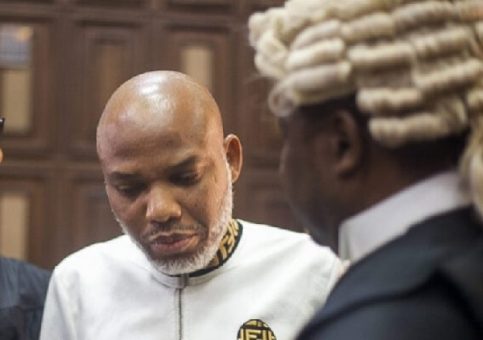
In a landmark judgment that has captured national and international attention, the Federal High Court has sentenced Nnamdi Kanu, leader of the Indigenous People of Biafra (IPOB), to life imprisonment. The ruling marks one of the most significant moments in Nigeria’s recent legal and political history, setting the stage for ongoing debates about justice, national security, and the future of separatist movements in the country.
After years of legal battles, dramatic arrests, and heated political discussions, the court delivered a decisive verdict. Nnamdi Kanu was found guilty on multiple charges related to treasonable activities, threatening national security, and inciting public unrest.
The courtroom was tense as the judge pronounced the life imprisonment sentence, emphasizing the seriousness of the allegations and the impact of Kanu’s activities on national unity. For many Nigerians, the ruling reflects the government’s firm stance on issues related to national sovereignty and internal conflict.
Nnamdi Kanu’s legal journey has been filled with controversies—from his initial arrest to his high-profile escape, re-arrest, and numerous court appearances. His supporters view him as a freedom fighter advocating for the rights of the Igbo people, while critics argue that his methods and rhetoric fuel division and instability.
This latest judgment marks the culmination of a highly scrutinized case that has spanned several years and drawn attention from human rights groups, political analysts, and international observers.
Nigeria remains divided over the ruling. Supporters of the IPOB leader have described the sentence as politically motivated, insisting that Kanu was unfairly targeted for speaking out against injustice. In contrast, others believe the judgment demonstrates the rule of law and reinforces the importance of protecting the country’s unity.
Online discussions, social media reactions, and commentary from community leaders reveal a wide range of emotions—from anger and disappointment to relief and cautious optimism.
The sentencing of Nnamdi Kanu raises important questions about the country’s security strategies and political future. Will the ruling reduce separatist agitation or intensify it? How will it affect the Southeast region, where tensions have periodically escalated over calls for self-determination?
Political analysts warn that while the verdict brings closure to a major legal battle, it may also spark fresh debates on governance, inclusion, and the rights of minority groups in Nigeria.
As Nnamdi Kanu begins his life sentence, Nigeria enters a new chapter in its ongoing struggle with separatist tensions. Whether this ruling ushers in stability or fuels further agitation will depend largely on the actions of the government, community leaders, and the general public in the coming months.
One thing remains certain: the conversation surrounding Nnamdi Kanu, IPOB, and Nigeria’s future is far from over.