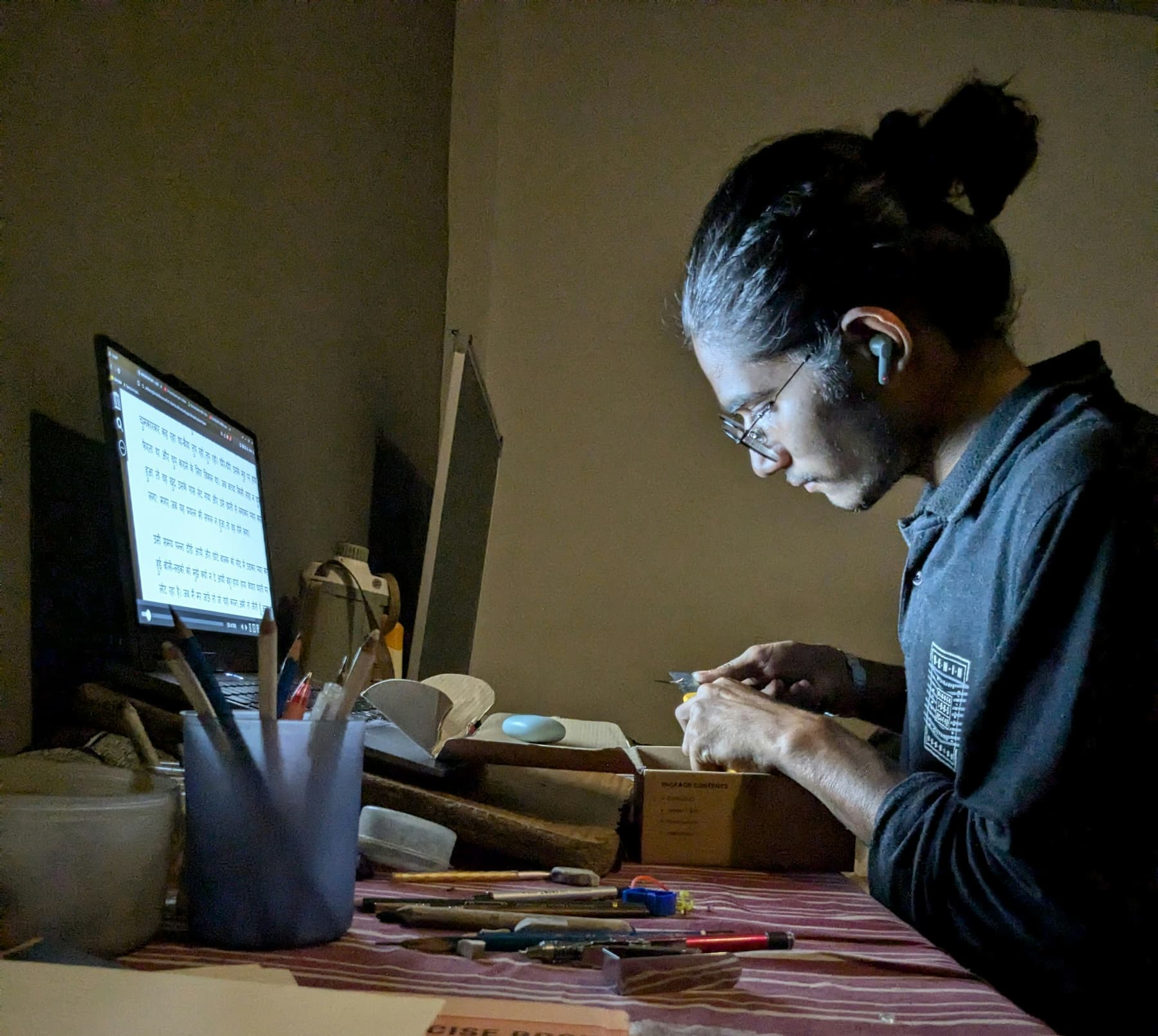
With the rising cost of living and limited job opportunities, many Nigerians are turning to side hustles to earn extra income. Whether you’re a student, a 9–5 worker, or someone looking to diversify income streams, side hustles offer flexibility, skill development, and financial growth.
In Nigeria, the best side hustles are those that require low startup capital, leverage digital platforms, or solve everyday problems. Below are some of the most practical and profitable side hustles you can start and grow over time.

1. Freelancing (Writing, Design, Tech Skills)
Freelancing remains one of the most reliable side hustles in Nigeria. Skills such as content writing, graphic design, web development, video editing, and virtual assistance are in high demand globally.
With just a smartphone or laptop and internet access, Nigerians can earn in foreign currency by offering services on international platforms. Over time, freelancing can grow into a full-time career.

2. Blogging and Content Creation
Blogging is a long-term side hustle that pays off with consistency. You can create content around finance, lifestyle, tech, education, entertainment, or local experiences.
Income streams include ads, sponsored posts, affiliate marketing, and digital products. While blogging doesn’t pay instantly, it becomes a strong passive-income source once established.

3. Social Media Management
Many small businesses in Nigeria struggle to maintain an online presence. If you understand platforms like Instagram, TikTok, X (Twitter), or Facebook, you can manage pages for brands and individuals.
This side hustle involves content planning, posting, replying to messages, and growing engagement — all skills that improve with time.

4. Online Tutoring and Coaching
If you’re good at a subject like mathematics, English, exam preparation, or even skills like makeup or coding, online tutoring is a solid option.
You can teach students locally or internationally via Zoom, WhatsApp, or dedicated tutoring platforms. Knowledge-based hustles age well and remain evergreen.

5. Mini Importation and Online Selling
Buying products in bulk and reselling online is still profitable in Nigeria. Popular items include fashion accessories, electronics, beauty products, and household items.
Platforms like Instagram, WhatsApp, and online marketplaces make it easy to reach customers without owning a physical store.
6. Phone Repair and Tech Services
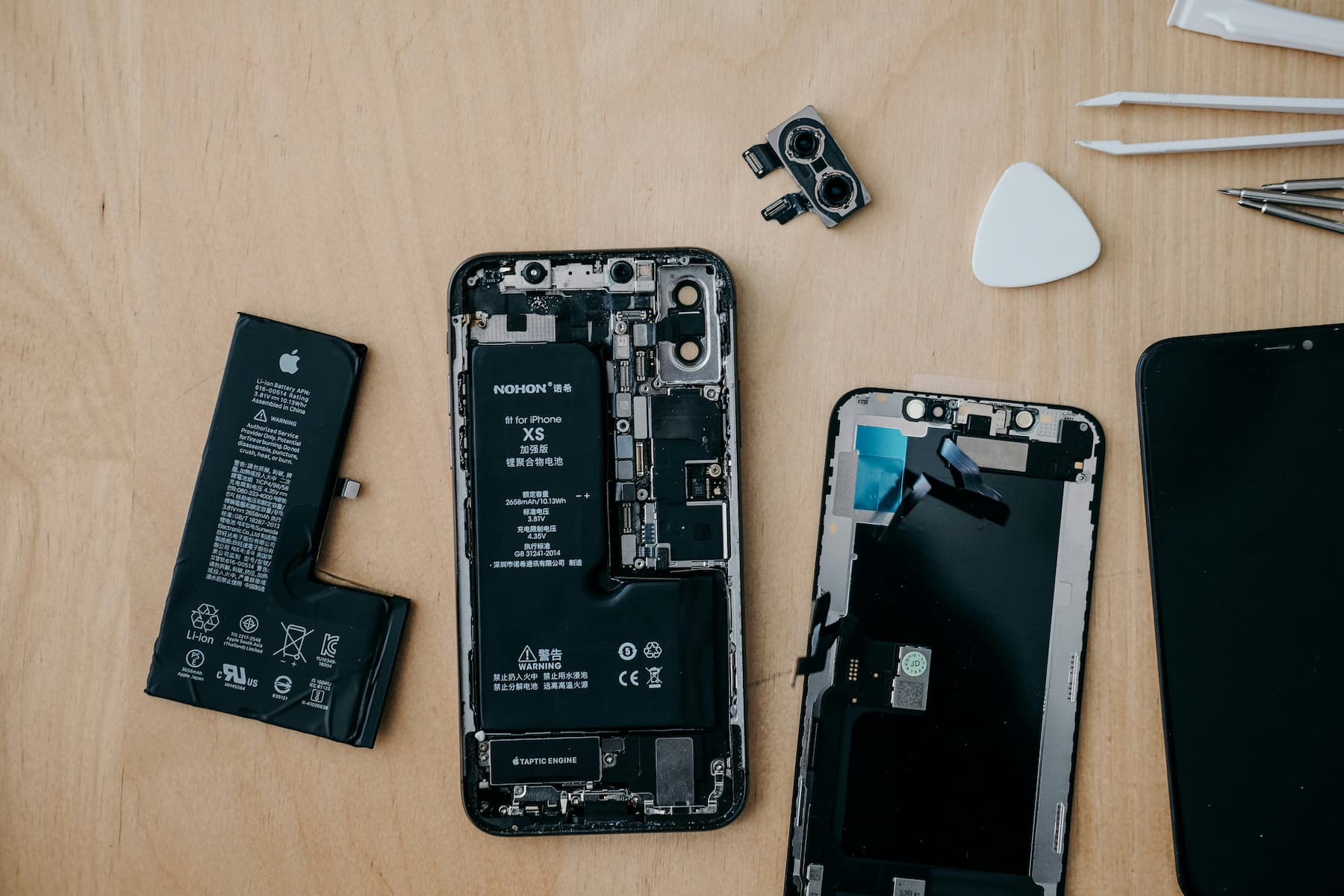
Phone repairs, software installation, and basic tech support remain in high demand. With minimal training, you can fix screens, batteries, and software issues.
This hustle works especially well in urban areas and around schools or business districts.

7. Photography and Videography
Events such as weddings, birthdays, and corporate programs happen year-round. If you own a good camera or smartphone and understand editing, photography and videography can bring steady income.
Social media has also increased demand for short-form video content for brands and influencers.

8. Food Business (Small-Scale Catering or Home Cooking)
Food never goes out of demand. You can start small by selling meals, snacks, or baked goods to offices, students, or neighbors.
This side hustle thrives on consistency, quality, and word-of-mouth marketing.

9. Ride-Hailing and Delivery Services
Driving or dispatch services are popular side hustles, especially in cities. With flexible hours, you can earn before or after your main job.
Delivery services for food, groceries, and documents are also growing rapidly.

10. Digital Products and Online Courses
Selling digital products such as ebooks, templates, guides, or online courses is one of the most scalable side hustles.
Once created, digital products can be sold repeatedly with little extra effort, making them ideal for long-term income.
Conclusion
The best side hustles in Nigeria are those that align with your skills, time availability, and financial goals. Whether it’s freelancing, content creation, tutoring, or small-scale trading, consistency and patience are key.
Side hustles are no longer just extra income streams — for many Nigerians, they are stepping stones to financial independence and long-term stability.