Fashola to Lagos: Don’t Let Our Street Names Erase Our History
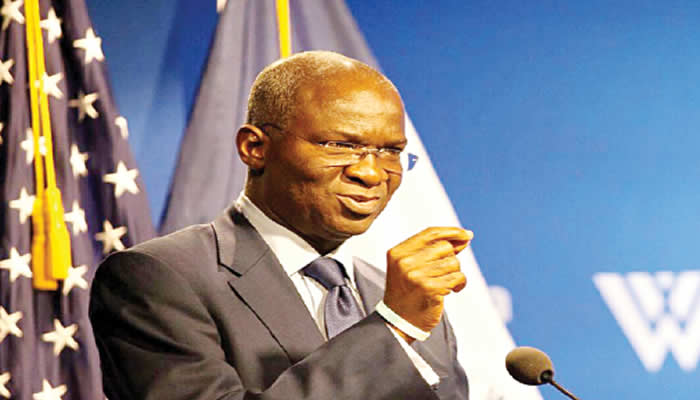
Former Lagos State Governor, Babatunde Fashola, has called on the Lagos government and citizens to preserve the state’s historical identity through proper street naming and documentation.
At a public event held at the Civic Centre, Victoria Island, Lagos, Fashola emphasized the importance of safeguarding Lagos’s history to avoid distortion and to uphold societal values. The event marked the official unveiling of “Discover Lagos State: A History Puzzle Book (Volume 1),” a project by the Lagos State Records and Archives Bureau (LASRAB).
Representing Governor Babajide Sanwo-Olu at the event, Deputy Governor Dr. Obafemi Hamzat echoed the need to document and preserve the past, hailing the book as a creative educational tool that promotes cultural heritage and historical awareness among young Lagosians.
Why Street Naming Matters
During his remarks, Fashola cited archival records from the University of Glasgow to underline how history, when properly kept, contributes to national development. He mentioned Dr. Isaac Ladipo Oluwole, one of Nigeria’s early scholars who studied in Glasgow and returned to become the first African medical officer of health in the Lagos colony. His efforts led to the establishment of school health services and the School of Hygiene in Yaba, Lagos, in 1920.
Fashola explained that naming streets like “Ladipo Oluwole Street” wasn’t accidental but intentional — to immortalize the legacy of such figures. He warned that the ongoing trend of renaming streets without historical context could weaken the collective memory of Lagos residents.
“Preserving our history and documenting our progress should be taken seriously,” Fashola stated. “We must not forget the importance of names that carry legacies.”
Call for Better Support for LASRAB
Fashola also stressed the need for improved funding and support for LASRAB, noting that beyond publishing educational materials, its mission is to serve as a central, reliable repository of Lagos’s collective memory. He called on the state government to ensure the bureau is adequately resourced.
Dr. Hamzat, in his speech, praised the LASRAB initiative and recalled how the Fashola-led administration institutionalized proper documentation through executive orders requiring that copies of all government-built infrastructure be submitted to LASRAB.
“This wasn’t just a policy,” Hamzat said. “It was a vision to preserve Lagos’s story for future generations.”
A Creative Approach to History Education
The new puzzle book was described as a blend of education and creativity aimed at stimulating interest in Lagos history among the youth. According to Dr. Hamzat, it encourages curiosity, pride, and a deeper understanding of the state’s roots.
“If we don’t understand our history, we risk losing our identity,” he added. “This book helps preserve our collective memory in a way that informs and entertains.”
Final Thoughts
The conversation around street naming in Lagos is more than just about addresses — it’s about memory, heritage, and identity. With leaders like Fashola advocating for the preservation of history, Lagos may yet succeed in keeping its story alive for generations to come.