Petrol Price Below Dangote: Marketers Slash Rates to Stay Afloat
In a dramatic twist within Nigeria’s oil market, petrol importers have dropped pump prices below the Dangote Refinery’s rates, igniting stiff competition across the downstream sector. This development comes just days after Aliko Dangote called on the Federal Government to ban petrol importation to protect local refiners.
Prices Crash Below N860 Per Litre
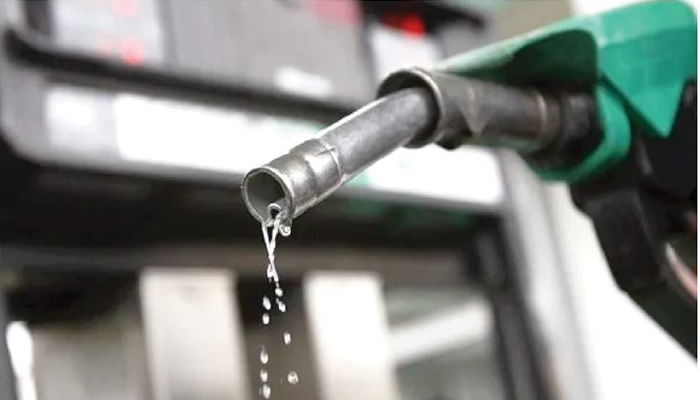
Findings revealed that several filling stations now sell petrol for less than ₦860, with independent outlets in Lagos and Ogun States offering even steeper discounts. Notably, SGR Fuel Station in Ogun State pegged its price at ₦847 per litre — lower than the rates from Dangote’s major distribution partners like MRS and Heyden, who sell between ₦865 and ₦875.
Industry data from Petroleumprice.ng shows that some depots, including Aiteo and Menj, are now offering petrol at ₦815 per litre, undercutting the Dangote Refinery’s rate of ₦820.
Importers Fight to Survive with Price Cuts
Insiders confirm that petrol importers are pushing down prices in a bid to stay relevant in a liberalized market where Dangote’s entry had initially led to major losses for them.
According to Chinedu Ukadike, National Publicity Secretary of IPMAN, “Depot owners are dropping their prices. Some sell at ₦815, ₦817, while Dangote is still at ₦820. NNPC is yet to adjust its price from ₦825.”
Ukadike praised the current market setup, calling it “the beauty of liberalisation,” and urged the government to resist pressure to restrict fuel importation. He emphasized that only open competition can ensure fair pricing and quality products.
Dangote: Imports Are Killing Local Refining
On the other side of the debate, Alhaji Aliko Dangote is pushing hard for protectionism. At a recent event by the Nigerian Upstream Petroleum Regulatory Commission, he decried the surge of cheap imported fuel, calling it “unfair dumping” that discourages local production.
He urged the government to enforce the “Nigeria First” policy on fuel, warning that the current situation threatens the survival of domestic refiners.
According to Dangote, much of the imported fuel is either substandard or subsidized — especially products sourced through discounted Russian crude. These factors, he claimed, distort pricing and undermine Nigeria’s refining capacity.
“We’re facing increased dumping of cheap, often toxic petroleum products — some of which would never be allowed in Europe,” Dangote said.
Marketers Push Back: Don’t Ban Imports
Despite Dangote’s warning, marketers believe that banning imports would do more harm than good. They insist that local refineries alone cannot meet national demand, and that competition is essential for affordability.
Ukadike assured that regulatory bodies like the NMDPRA are in place to prevent the entry of toxic fuel, negating Dangote’s safety concerns.
Conclusion: Nigeria’s Fuel Market at a Crossroads
As marketers and importers slash petrol prices, a new chapter unfolds in Nigeria’s post-subsidy petroleum economy. While Dangote Refinery aims to dominate the supply chain, importers aren’t backing down without a fight.
The clash between free market competition and nationalist protectionism will likely shape Nigeria’s energy landscape for years to come. For now, Nigerians can expect lower pump prices, even as the debate over local refining and fuel importation rages on.