US Embassy Now Requires Nigerian Students to Make Social Media Accounts Public for Visa Screening
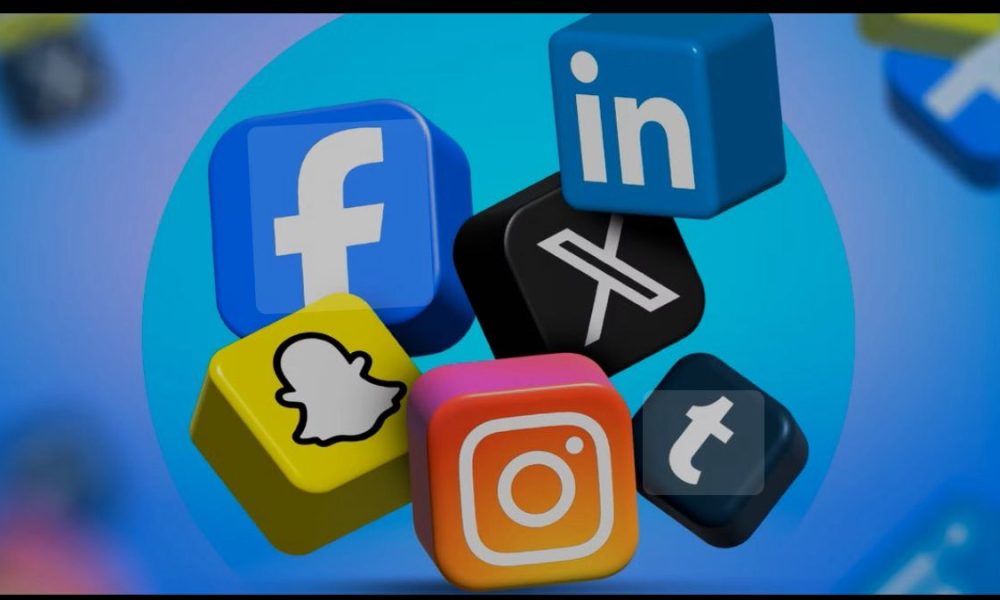
The United States Mission in Nigeria has introduced a new requirement for all Nigerians applying for F, M, or J nonimmigrant visas — their social media accounts must now be set to public.
This policy, which became effective immediately, was announced via the official U.S. Mission Nigeria X (formerly Twitter) page on Monday, July 7, 2025. It affects individuals seeking to study or participate in exchange programs in the United States.
Mandatory Public Social Media Profiles for Visa Applicants
The affected visa categories — F, M, and J — are typically issued to international students, vocational trainees, and exchange visitors. Under the new directive, all applicants must adjust the privacy settings of their personal social media profiles to allow public access as part of the screening process.
“All individuals applying for an F, M, or J nonimmigrant visa are requested to adjust the privacy settings on all of their personal social media accounts to ‘public’,” the U.S. Mission stated.
Social Media Now Part of Visa Vetting
According to the U.S. Department of State, this move is part of a broader effort to intensify visa vetting, particularly for applicants’ identity verification and national security screening.
A statement on the State Department’s website reads:
“We use all available information in our visa screening and vetting to identify visa applicants who are inadmissible to the United States, including those who pose a threat to U.S. national security.”
This new requirement reflects Washington’s position that a U.S. visa is a privilege, not a right. Every visa decision, the U.S. government insists, is ultimately a national security decision.
What This Means for Nigerian Students
This update directly impacts thousands of Nigerian students who apply annually to study in the U.S. through the F-1 visa program. Applicants are now advised to review their social media history, remove sensitive or misleading posts, and ensure their profiles reflect authentic personal information.
The U.S. Embassy emphasized that any inconsistency between an applicant’s online presence and their stated intentions during the application process could lead to visa denial.