PMS Imports Drop by 67% in 8 Months as Local Fuel Production Surges — NMDPRA
Nigeria’s fuel supply landscape is witnessing a significant shift. Imports of Premium Motor Spirit (PMS), commonly known as petrol, have plunged dramatically from 44.6 million litres per day in August 2024 to just 14.7 million litres by April 13, 2025, marking a massive 67% decline, according to the latest supply tracker from the Nigerian Midstream and Downstream Petroleum Regulatory Authority (NMDPRA).
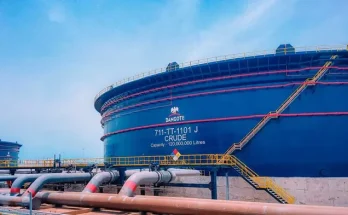
Local Refineries Step In to Fill the Gap
Speaking during the sixth Meet-the-Press briefing at the Aso Rock Villa in Abuja, NMDPRA CEO Farouk Ahmed revealed that local fuel production has surged by over 670% within the same period.
In August 2024, domestic supply was virtually non-existent. But by early April 2025, local refineries were delivering 26.2 million litres per day, up from just 3.4 million litres in September — the first month of measurable output.
This impressive growth was largely driven by:
- The phased restart of the Port Harcourt Refinery in November 2024
- Increased production from modular refineries across the country
Combined Fuel Supply Still Struggling to Meet National Demand
Despite the improvement in local output, combined PMS supply only crossed the government’s 50 million litres/day benchmark twice between August and April — in November (56 million litres) and February (52.3 million litres).
In March, supply dipped slightly to 51.5 million litres, and by mid-April, it fell significantly short at 40.9 million litres/day.
Ahmed noted that the Authority issues import licenses based solely on national demand, emphasizing that imports are adjusted based on how much the country can produce locally.
What This Means for Nigerians
While the increase in local refining capacity is a positive sign, the inconsistent supply levels could lead to fuel scarcity if the gap between demand and available product widens. Analysts also warn that a reliance on domestic production alone might be premature until consistent output is achieved.
As Nigeria continues its push for energy independence and downstream reform, all eyes will remain on the performance of local refineries and the NMDPRA’s response to evolving supply challenges.