NNPC Increases Petrol Price to N925 in Lagos, N950 in Abuja, and Northern States
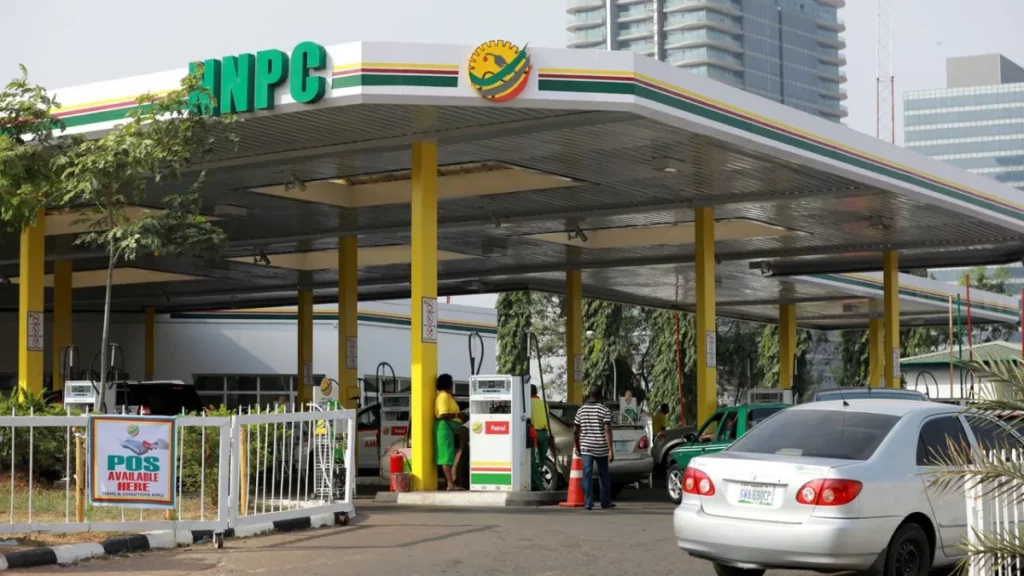
The Nigerian National Petroleum Company (NNPC) has officially increased petrol pump prices to ₦925 per litre in Lagos and ₦950 in Abuja and the North, starting from April 2, 2025. This marks a ₦65 increase in Lagos and a ₦70 rise in the North compared to previous rates.

NNPC Stations Quickly Adjust Prices Nationwide
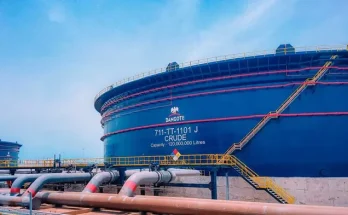
Following the announcement, NNPC retail stations across Nigeria swiftly updated their pump prices. In Kubwa and Wuse, Abuja, petrol is now sold at ₦950 per litre, up from ₦880. This follows earlier price competition with the Dangote Refinery, which had forced NNPC to drop prices to ₦860 in March.
Why the Petrol Price Is Rising
Energy experts link the hike to two main reasons:
- End of the naira-for-crude deal: The previous arrangement between NNPC and local refineries like Dangote Refinery helped stabilize prices. With that deal now ended, prices have jumped.
- Global crude oil price increases: Rising tensions in the Middle East, U.S. sanctions on Iran and Russia, and high international crude prices are pushing petrol landing costs higher.
Analysts Explain the Price Hike
Adeola Yusuf, energy expert and Team Lead at Platforms Africa, said:
“Crude prices are rising globally. Without the naira-for-crude deal, Nigerians now face higher fuel costs. It’s not just Dangote – this is a global issue.”
Wale Ogundeji, another energy analyst, added:
“The petrol price hike means more hardship for everyday Nigerians. Households and small businesses will feel the heat as transport and power costs go up. Local refining is the only long-term fix.”
Independent Marketers Already Selling Higher
Even before the NNPC hike, MRS and other independent marketers had started selling petrol at ₦930 in Lagos and ₦960 in the North, reflecting the rising cost of fuel importation.
New NNPC Leadership and Market Shifts
This price change comes shortly after President Bola Tinubu appointed Bayo Ojulari as the new Group CEO of NNPC, signaling a shift in the downstream oil sector strategy.
Industry observers believe the new leadership and changing market dynamics will continue to affect petrol pricing, especially as NNPC responds to both local and international pressure.