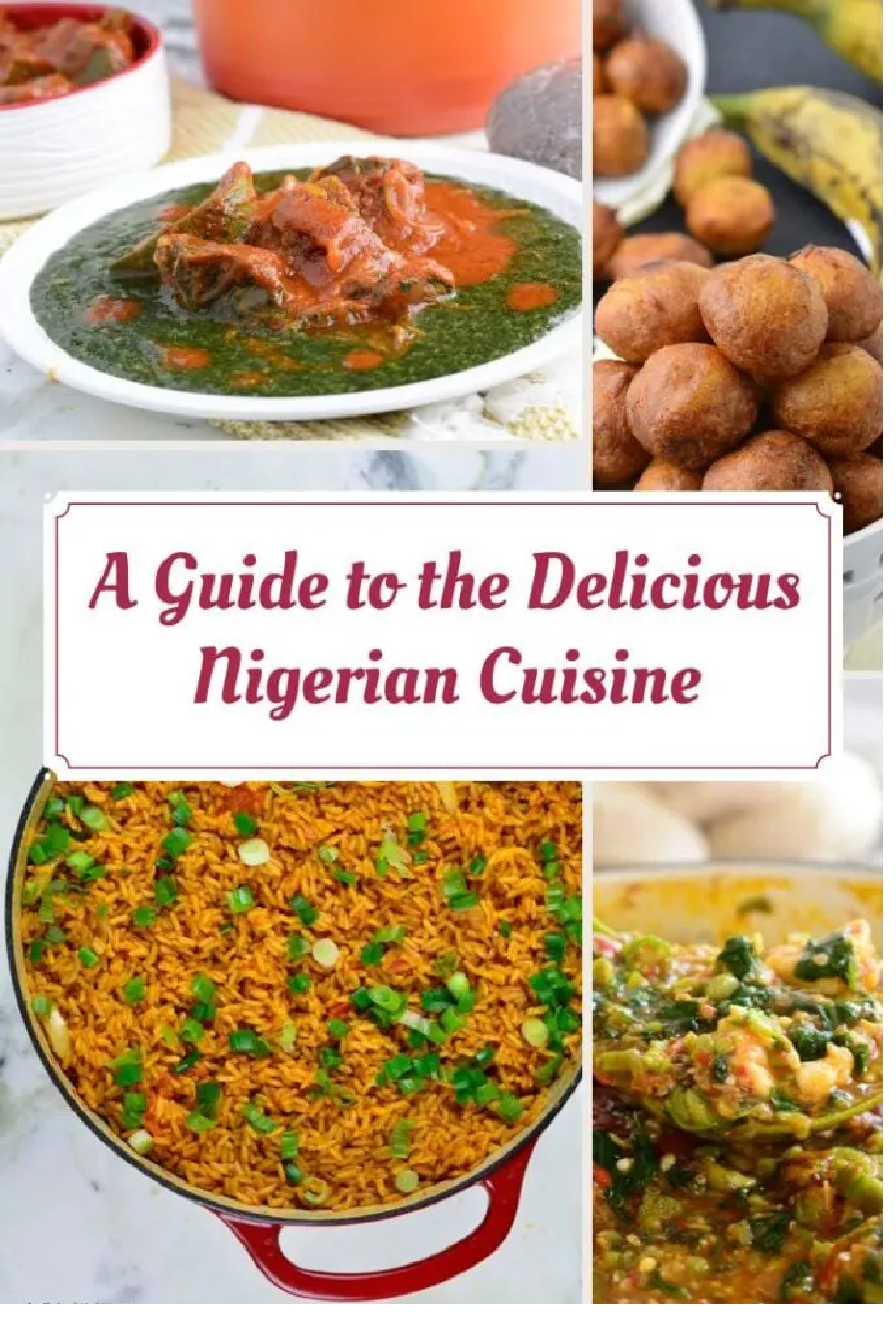
Nigeria is a country blessed with incredible cultural diversity, and nowhere is this more deliciously obvious than in its indigenous foods. Each of the over 250 ethnic groups in Nigeria has its own unique dishes, flavors, and culinary traditions. From spicy soups to savory pottages, Nigerian cuisine is a reflection of history, climate, and creativity. Let’s explore some of the most iconic indigenous foods from Nigeria’s major tribes.
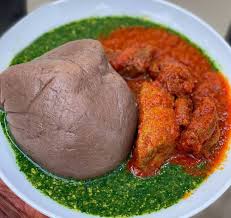
1. Yoruba Cuisine (Southwest Nigeria)
The Yoruba people are known for bold flavors and versatile dishes. Some signature foods include:
- Amala and Ewedu Soup – A smooth yam flour dough served with a slippery jute leaf soup.
- Ofada Rice and Ayamase Sauce – Locally grown rice with a spicy green pepper sauce.
- Moi Moi – Steamed bean pudding often served as a side or main dish.
Yoruba cuisine is deeply intertwined with festivals and ceremonies, making every meal more than just food—it’s tradition.
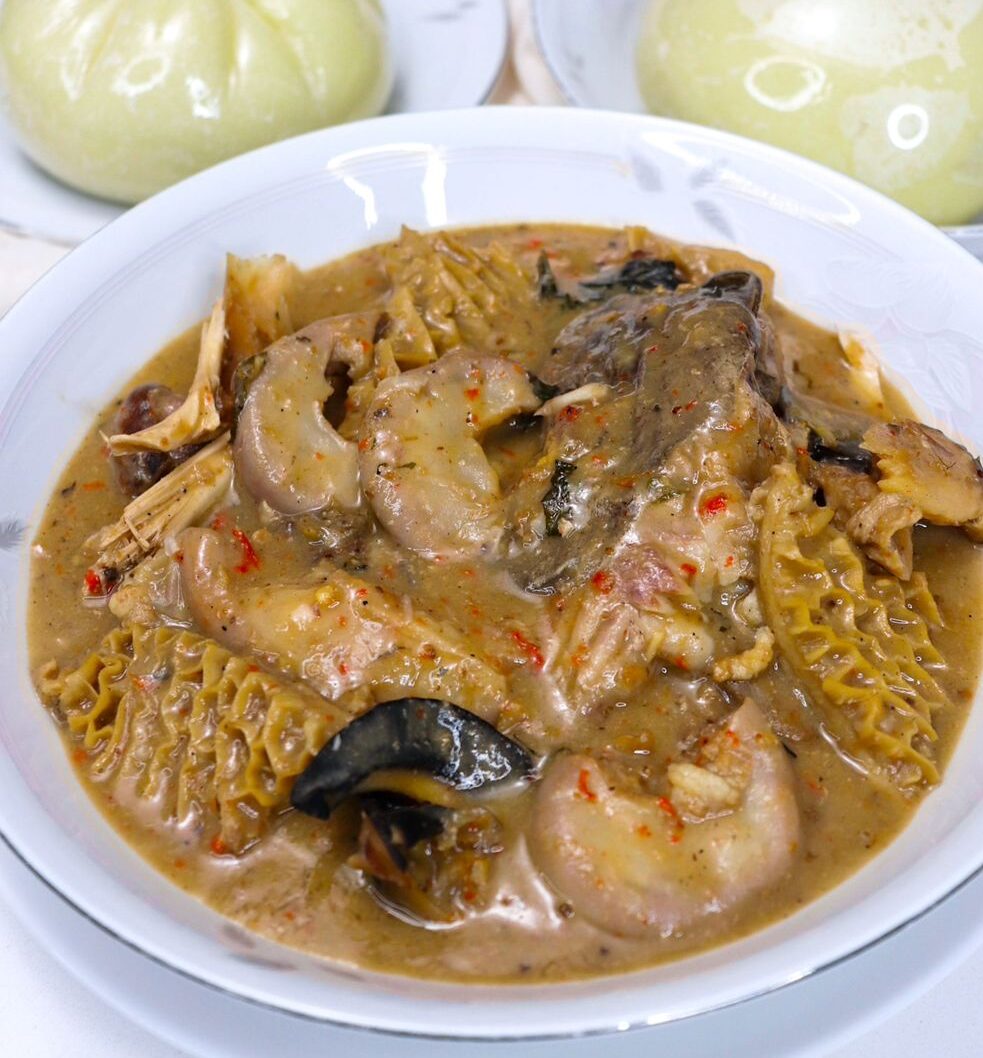
2. Igbo Cuisine (Southeast Nigeria)
The Igbo people’s food is hearty, flavorful, and often involves yam, cassava, and vegetables. Popular dishes include:
- Ofe Nsala (White Soup) – A peppery, light soup made with catfish and yam.
- Abacha (African Salad) – Shredded cassava with spices, palm oil, and dried fish.
- Fufu with Oha Soup – Smooth cassava dough served with a rich, leafy soup.
Igbo foods are usually accompanied by communal eating, reflecting the tribe’s social culture.
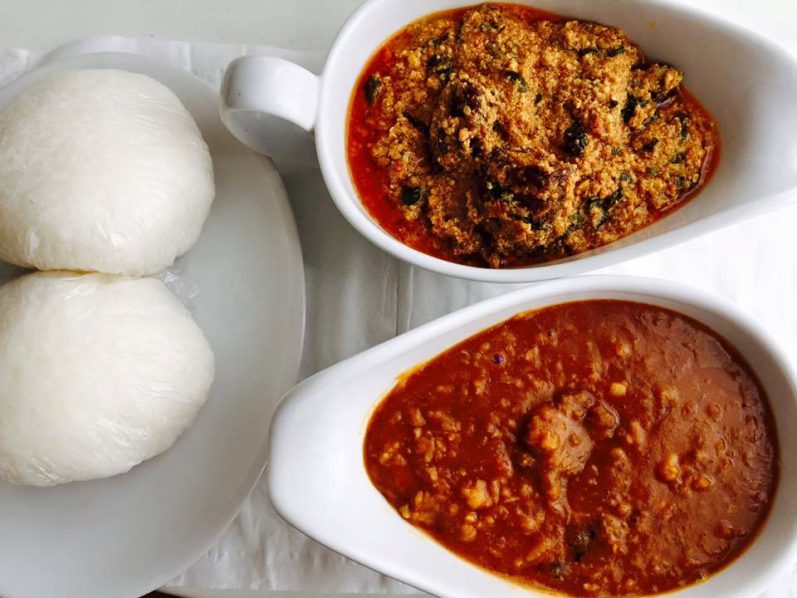
3. Hausa Cuisine (Northern Nigeria)
Hausa cuisine is known for grains, meat, and spices, influenced by the Sahel and Islamic culture. Signature dishes include:
- Tuwo Shinkafa – Soft rice pudding served with vegetable or meat soup.
- Suya – Spicy grilled skewered meat, often served with onions and peppers.
- Masa – Rice pancakes eaten with honey or savory stews.
Hausa foods often feature aromatic spices and are perfect for both everyday meals and festive occasions.
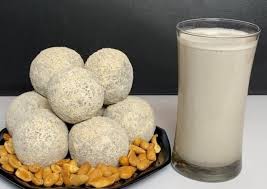
4. Fulani Cuisine (Northern Nigeria)
The Fulani people are traditionally pastoralists, and their cuisine highlights milk, meat, and grains. Key dishes include:
- Nyiri or Nono – Fermented milk beverages.
- Fura da Nono – Millet balls served in fermented milk, refreshing and nutritious.
- Kilishi – Thinly sliced, spiced, and sun-dried beef, similar to jerky.
Fulani foods are often simple, portable, and designed to sustain pastoral life.
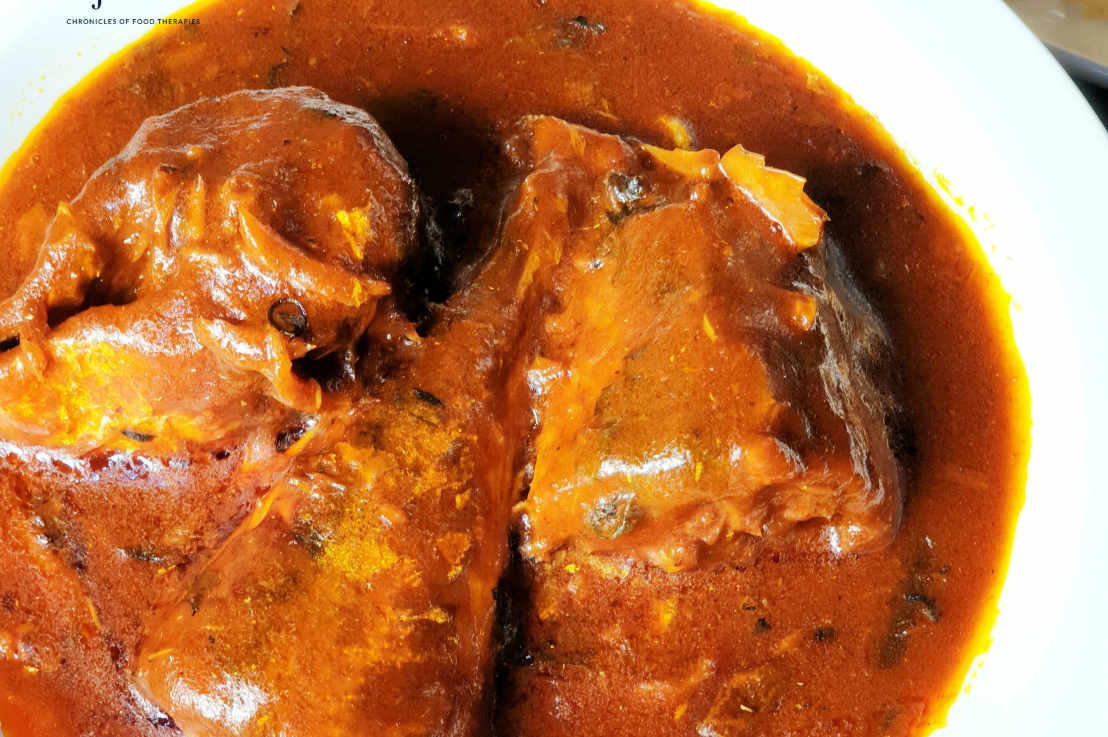
5. Edo Cuisine (South-South Nigeria)
The Edo people have a rich culinary tradition often centered around palm oil, seafood, and root vegetables. Popular dishes include:
- Bini Owo Soup – Palm oil-based soup served with starchy sides.
- Ukodo (Yam Pepper Soup) – Spicy yam and meat soup, often made with goat or yam.
- Ewedu and Fish Stews – Leafy soups combined with fresh river fish.
Edo cuisine is vibrant, colorful, and deeply connected to the people’s history and festivals.
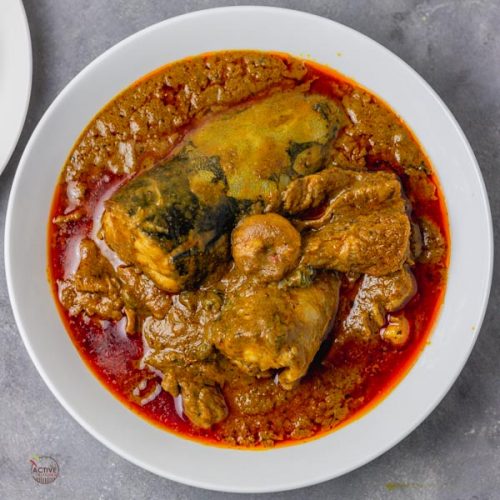
6. Ijaw Cuisine (South-South Nigeria)
The Ijaw people are riverine and coastal, so seafood is central to their diet:
- Ofe Ijebu – Hearty fish or meat stew.
- Banga Soup – Palm nut soup with fresh fish or meat.
- Starch and Seafood Sauces – Cassava starch served with richly spiced seafood.
Ijaw foods celebrate the bounty of rivers and the Atlantic Ocean.
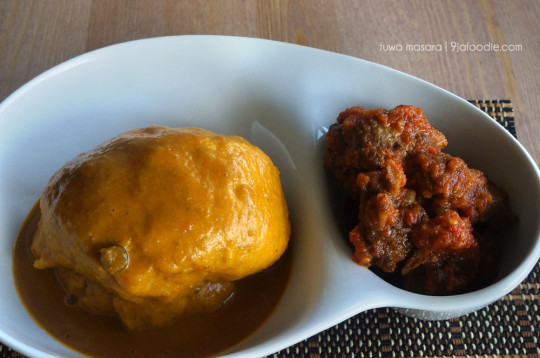
7. Kanuri Cuisine (Northeast Nigeria)
Kanuri foods are influenced by Saharan trade and include grains, meat, and fermented products:
- Tuwo Masara – Cornmeal pudding served with vegetable or meat stew.NII
- Kilishi – Spiced, dried meat, similar to the Fulani version.
- Fura – Millet-based balls often mixed with milk.
Kanuri cuisine is simple yet flavorful, reflecting desert agriculture and pastoral life.
Conclusion
Nigeria’s indigenous foods are more than just meals—they are a reflection of culture, climate, and history. Each tribe has developed flavors and cooking techniques that have been passed down for generations. Whether it’s the spicy suya of the Hausa, the yam-based dishes of the Igbo, or the seafood stews of the Ijaw, Nigerian cuisine is a journey for the senses. Exploring these foods is not only a way to satisfy hunger but also a way to connect with the rich tapestry of Nigerian heritage.