NNPCL Fires MDs of Port Harcourt, Warri, and Kaduna Refineries: A Strategic Shake-Up
In a significant move aimed at revitalizing Nigeria’s oil and gas sector, the Nigerian National Petroleum Company Limited (NNPCL) has dismissed the Managing Directors (MDs) of its Port Harcourt Refining Company, Warri Refining and Petrochemical Company, and Kaduna Refining and Petrochemical Company. This decision marks a bold step in NNPCL’s ongoing restructuring efforts to improve refining capacity and optimize production.
NNPCL’s Leadership Overhaul: Why the Shake-Up Was Necessary
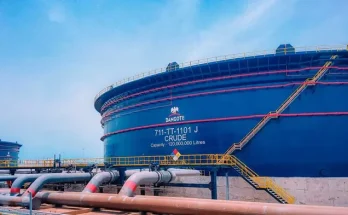
This shake-up is part of NNPCL’s broader strategy to tackle inefficiencies within the country’s refining sector. The three refineries under NNPCL have long struggled with performance issues, leading to low capacity utilization and subpar output. The Port Harcourt Refining Company has been operating below 40% capacity since its resumption in late 2024, while the Warri Refining and Petrochemical Company was shut down in January 2025 due to safety concerns. The Kaduna refinery also faced similar operational setbacks.
The poor performance of these refineries has contributed to Nigeria’s ongoing reliance on fuel imports, which has placed immense pressure on the national economy. The NNPCL leadership shake-up is therefore seen as an attempt to inject new energy into the system by bringing in experienced industry professionals who are equipped to meet Nigeria’s ambitious oil production targets.
The Performance-Based Reshuffle: A Strategic Direction for NNPCL
In a recent statement, sources at the Presidency revealed that the shake-up was driven by concerns over the performance of the former leadership. President Bola Tinubu, in a sweeping overhaul on April 2, 2025, dismissed Mele Kyari, the former Group CEO of NNPCL, alongside other senior board members. This decision was made following growing dissatisfaction with the NNPCL’s inability to meet key production targets.
The shake-up is seen as a performance-based restructuring, with officials stating that the former leaders were “going in circles” and failing to address critical issues within the sector. The new NNPCL leadership, now composed entirely of industry technocrats, is expected to bring a fresh perspective and tackle long-standing issues within the company.
Key Appointments: Bayo Ojulari Takes the Helm at NNPCL
With the restructuring comes the appointment of Bayo Ojulari as the new Group CEO of NNPCL. Ojulari, an experienced industry leader, previously served as Executive Vice President at Renaissance Africa Energy Company. He brings a wealth of knowledge and expertise to NNPCL, having recently led a consortium of indigenous firms in the $2.4 billion acquisition of Shell Petroleum’s assets in Nigeria.
His appointment signals a shift toward more technically driven leadership, with a focus on increasing Nigeria’s oil production. Under his leadership, NNPCL is expected to concentrate on meeting ambitious oil production targets: 2 million barrels per day by 2027 and 3 million barrels per day by 2030. Additionally, there is a focus on boosting gas production to 10 billion cubic meters by 2030.
The Refineries Crisis: Poor Performance and Underutilization
The refinery crisis has been a key challenge for NNPCL. Despite investing $897 million in revamping the Warri Refinery, the facility has remained largely non-operational due to safety and technical issues. Experts have expressed concerns about the lack of transparency and the mismanagement of resources in maintaining the refineries.
Reports indicate that the Port Harcourt refinery has faced similar challenges, operating at below 40% capacity despite efforts to restart its operations. The Warri refinery has remained closed since January 2025, further exacerbating the fuel supply issues in the country.
What’s Next for NNPCL and Nigeria’s Refining Sector?
The recent shake-up and appointments within NNPCL have sent a strong message that reform is necessary to turn around Nigeria’s oil and gas sector. The new management will focus on upgrading refinery infrastructure, improving management practices, and ensuring that refineries operate at full capacity to meet domestic demand for petroleum products.
In the coming months, attention will likely turn to addressing the technical issues that have plagued the refineries for years. Industry experts are hopeful that with a new leadership team, NNPCL will be able to boost refining capacity, reduce the country’s reliance on imported fuel, and pave the way for greater energy security in Nigeria.
The Path Forward: Reforms and Industry Expectations
Nigeria’s refining industry is at a crossroads. The NNPCL restructuring offers an opportunity for growth, with new leadership focusing on innovation and efficiency. If the new leadership succeeds in addressing the operational inefficiencies and upgrading refinery facilities, Nigeria’s refineries could become vital contributors to the country’s economic growth, reducing the cost of fuel and boosting the local economy.
The coming months will reveal whether this overhaul is the turning point that Nigeria’s refining sector needs to overcome its longstanding challenges.