Osun Reaffirms Commitment to O-Meal School Feeding, Targets Over 200,000 Pupils
The Osun State Government, under the leadership of Governor Ademola Adeleke, has renewed its unwavering commitment to the O-Meal School Feeding Programme, a flagship initiative aimed at improving child nutrition and educational outcomes across the state.
Launched in 2006, the programme has become a model for sustainable school feeding in Nigeria, benefiting over 200,000 children directly and promoting local agricultural productivity through homegrown food sourcing.
Governor Adeleke Rallies Stakeholders for Stronger Support
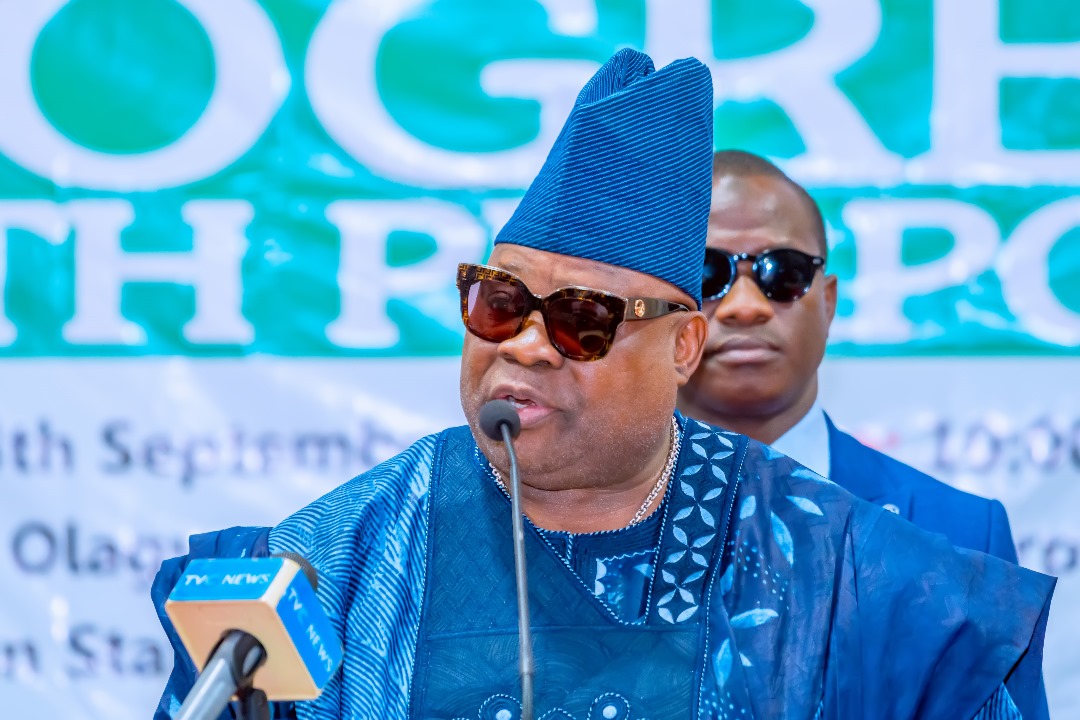
At a high-level stakeholders’ conference held in Abuja, themed “Sustainability of O-Meal for Improved Children Nutrition in Osun State Homegrown School Feeding Programme”, Governor Adeleke emphasized the importance of maintaining and scaling the programme despite economic challenges.
In a statement released by his spokesperson, Olawale Rasheed, the governor called on development partners, donor agencies, and private sector players to intensify their support in ensuring that every child in Osun schools receives a nutritious daily meal.
Represented by the Commissioner for Economic Planning, Budget and Development, Professor Abdulmaruf Adeleke, the governor stressed that the programme is not just about feeding—it is a strategic investment in human capital development.
“The sustainability of O-Meal provides an opportunity to invest in the lives of children, women, and the broader society. Every contribution makes a tangible difference,” he stated.
A Model for Homegrown Nutrition and Educational Growth
The O-Meal Programme, run in collaboration with the African Union Development Agency-New Partnership for Africa’s Development (AUDA-NEPAD), has significantly improved school attendance, reduced hunger, and boosted local economies through its homegrown food model.
Governor Adeleke affirmed that the initiative is vital for building a healthier, more promising future for Osun children, especially in a time of rising food inflation.
“Despite current economic pressures, the programme continues to reach thousands of children daily. Its expansion is crucial for inclusive growth and educational success,” he added.
Global and National Partners Praise Osun’s Initiative
The Abuja event was well attended by key stakeholders from around the world, including representatives from:
- Japan International Cooperation Agency (JICA)
- United Nations World Food Programme (WFP)
- AUDA-NEPAD
- Embassies of Tunisia and the United Arab Emirates
- Federal Ministry of Budget and Economic Planning
- United Nations Food Systems representatives
Speaking on behalf of AUDA-NEPAD’s CEO, Agymi Abubakar, officials praised Osun’s consistency and innovation in running Nigeria’s most enduring sub-national school feeding initiative. He noted that the programme has positively impacted enrollment rates and health outcomes in the state.
“O-Meal is a direct translation of national development goals. It addresses hunger, improves education, and builds a productive workforce. Osun has become a shining example of results-driven governance,” Abubakar said.
Call for Budgetary Support and Private Sector Involvement
AUDA-NEPAD and other partners at the conference called for:
- Increased private sector involvement
- Consistent budgetary allocations
- Monitoring and evaluation mechanisms
to ensure long-term sustainability of school feeding programmes across Nigeria.
The representative from the Federal Ministry of Budget and Economic Planning, Dr. Sanjo Faniran, emphasized the need for multi-sectoral collaboration to institutionalize school feeding as a critical driver of national development.
Nike Adeleke: O-Meal Is a Beacon of Osun’s Vision
In her address, Chief (Mrs.) Nike Adeleke, the State Commissioner for Federal Affairs, described the O-Meal initiative as Osun’s legacy of innovation and compassion.
“Osun remains the only sub-national in Nigeria to sustain a structured school feeding programme since 2006. This is not just a policy—it’s a promise to our children,” she declared.
She also urged federal actors and donor agencies to recognize and support Osun’s achievement as a model worth replicating in other Nigerian states.
Conclusion: A Brighter, Healthier Future for Osun Pupils
As Osun State scales up its efforts to sustain and expand the O-Meal School Feeding Programme, it sets a powerful example for how visionary governance, community engagement, and public-private collaboration can reshape the future of education and nutrition in Nigeria.
Governor Adeleke’s renewed call for support reaffirms Osun’s commitment to placing children’s welfare at the heart of policy-making—a move that promises not only to feed young learners but to empower the next generation of leaders.