
Trump Slaps New Tariffs on Nigeria and Others, Crude Oil Trade at Risk
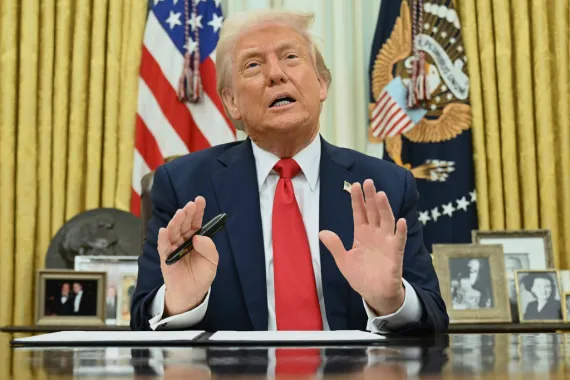
US President Donald Trump has introduced sweeping new import tariffs, including a 14% duty on Nigerian goods, shaking global trade and threatening Nigeria’s exports.
On what he called “Liberation Day,” Trump announced two major tariff policies aimed at fixing what he described as unfair trade practices. The first is a 10% flat tariff on all imports into the US, while the second, called reciprocal tariffs, targets 60 countries with even higher rates.
Nigeria is hit with a 14% tariff, one of the highest in West Africa, just behind Côte d’Ivoire, which faces a 24% duty. Ghana and Ethiopia are also affected, facing the 10% baseline tariff.
The new tariffs pose a serious risk to Nigeria’s trade with the US, especially crude oil, which makes up the bulk of Nigerian exports. Other top Nigerian exports to the US include petroleum gas and nitrogen-based fertilizers. In contrast, the US exports cars, refined fuel, and wheat to Nigeria.
Recently, the Dangote Refinery started supplying jet fuel to the US, with six vessels delivering about 1.7 million barrels this month alone. This trade could also be impacted by the new tariffs.
Trump defended the move by saying the US has been exploited by other nations for decades. “Foreign cheaters have ransacked our factories,” he said. “This policy will finally protect American jobs and industries.”
China and Europe Also Hit
China faces the highest tariff rate, with a 34% reciprocal tariff stacked on top of a 20% fentanyl-related tariff — bringing the total to over 50%. Trump also plans to scrap the duty-free shipping of small packages from China, a move that could further strain ties between the two nations.
China responded strongly, warning of countermeasures and saying the US move threatens years of balanced trade negotiations.
The European Union will also face a 20% levy and has begun preparing emergency measures to protect its economy.
Canada and Mexico are not affected, for now.
Trump’s aggressive new trade policy could spark a global trade war, with analysts warning of economic fallout in both developing and developed economies.


